Brain Performance Assessment and Neurofeedback Training
Brain Performance Assessment and Neurofeedback Training
Our school uses brainwave assessments and neurofeedback training to better understand individual students’ needs. Insights from assessment data help inform personalised support and communication between the school and families.
About the Brain Performance Programme
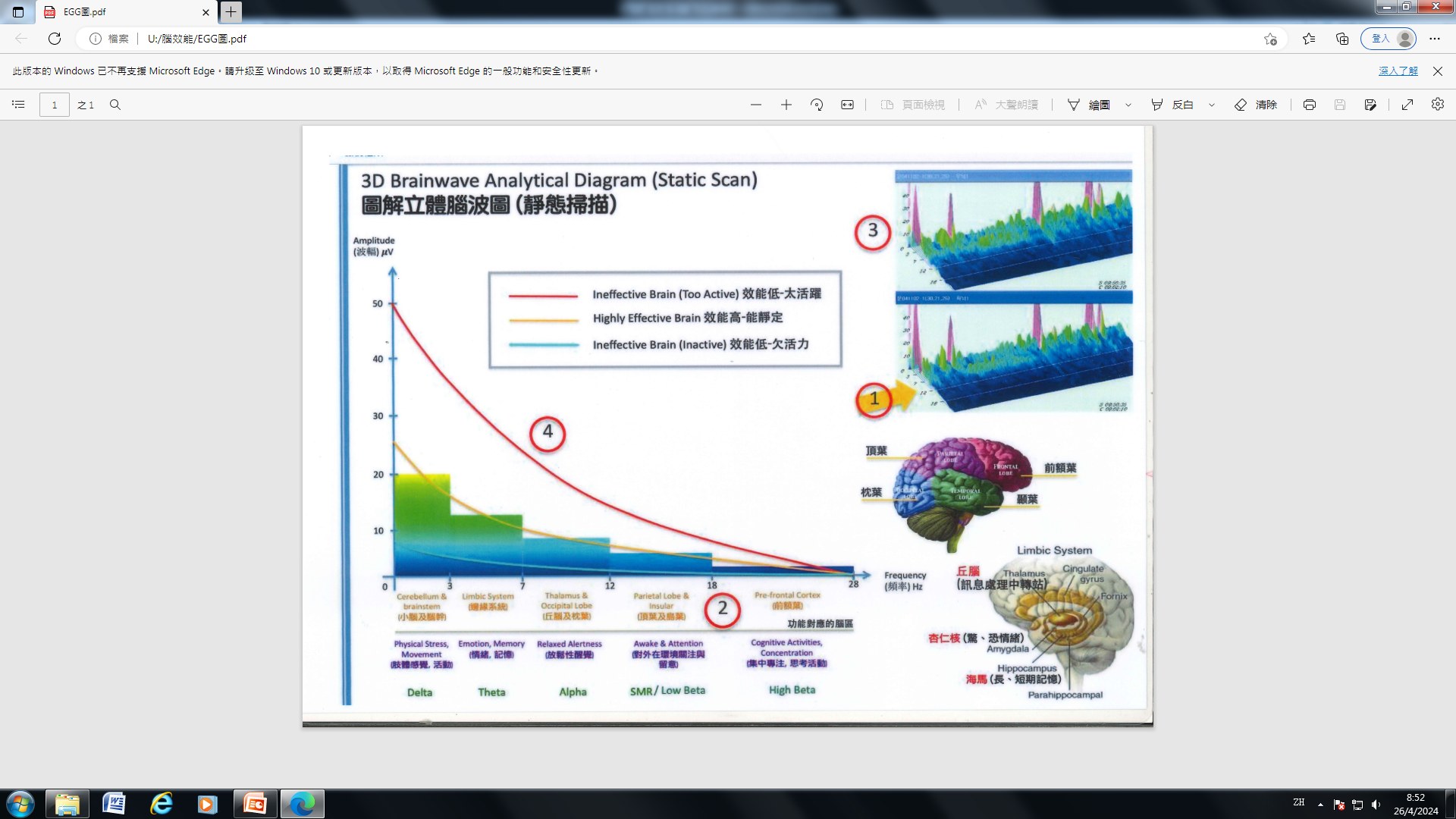
Our school is among the first schools in Hong Kong to introduce brainwave assessment equipment and a neurofeedback training system. Based on the findings of each brain performance analysis report, an individualised neurofeedback training programme is designed for each participant.
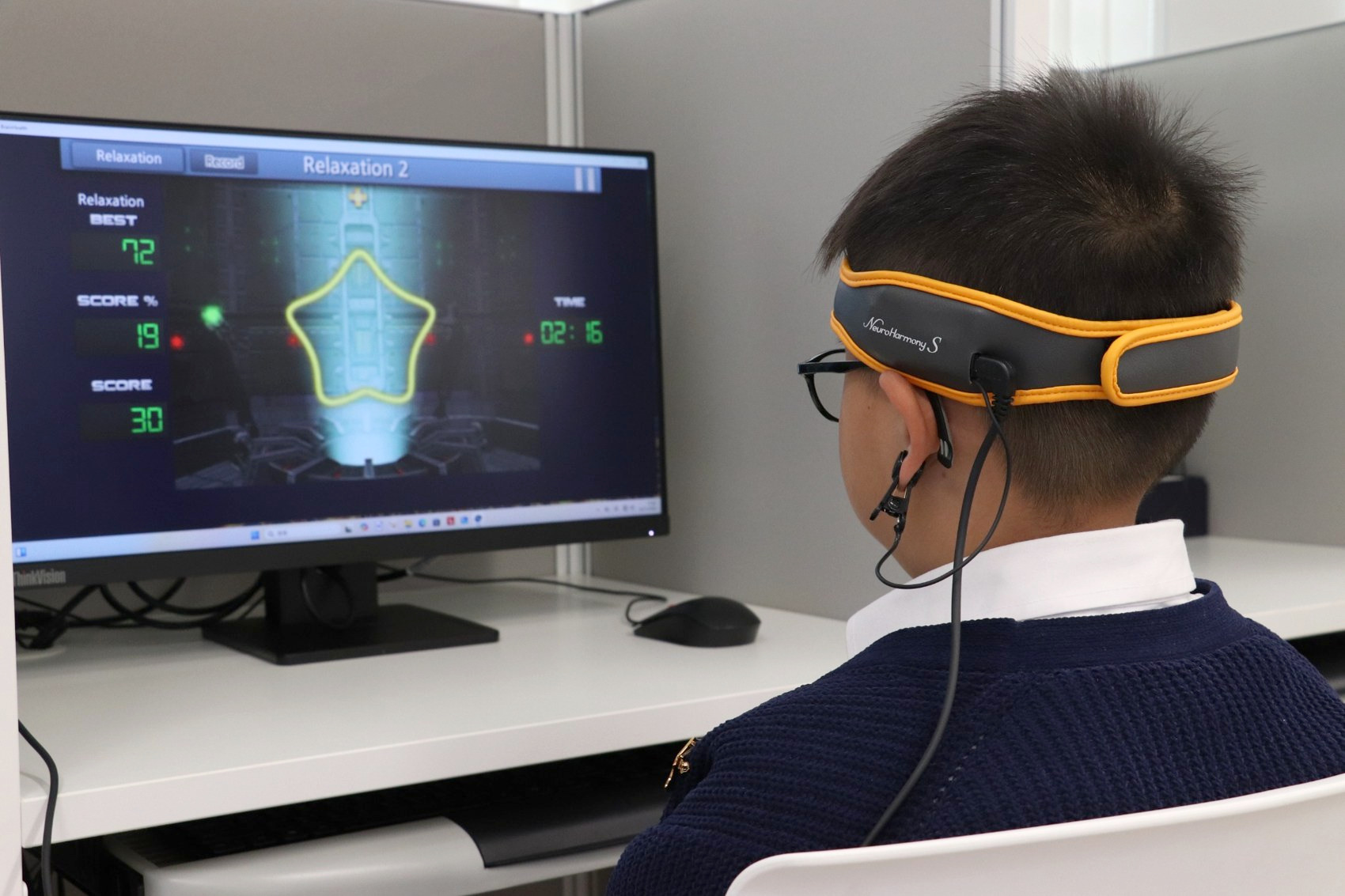
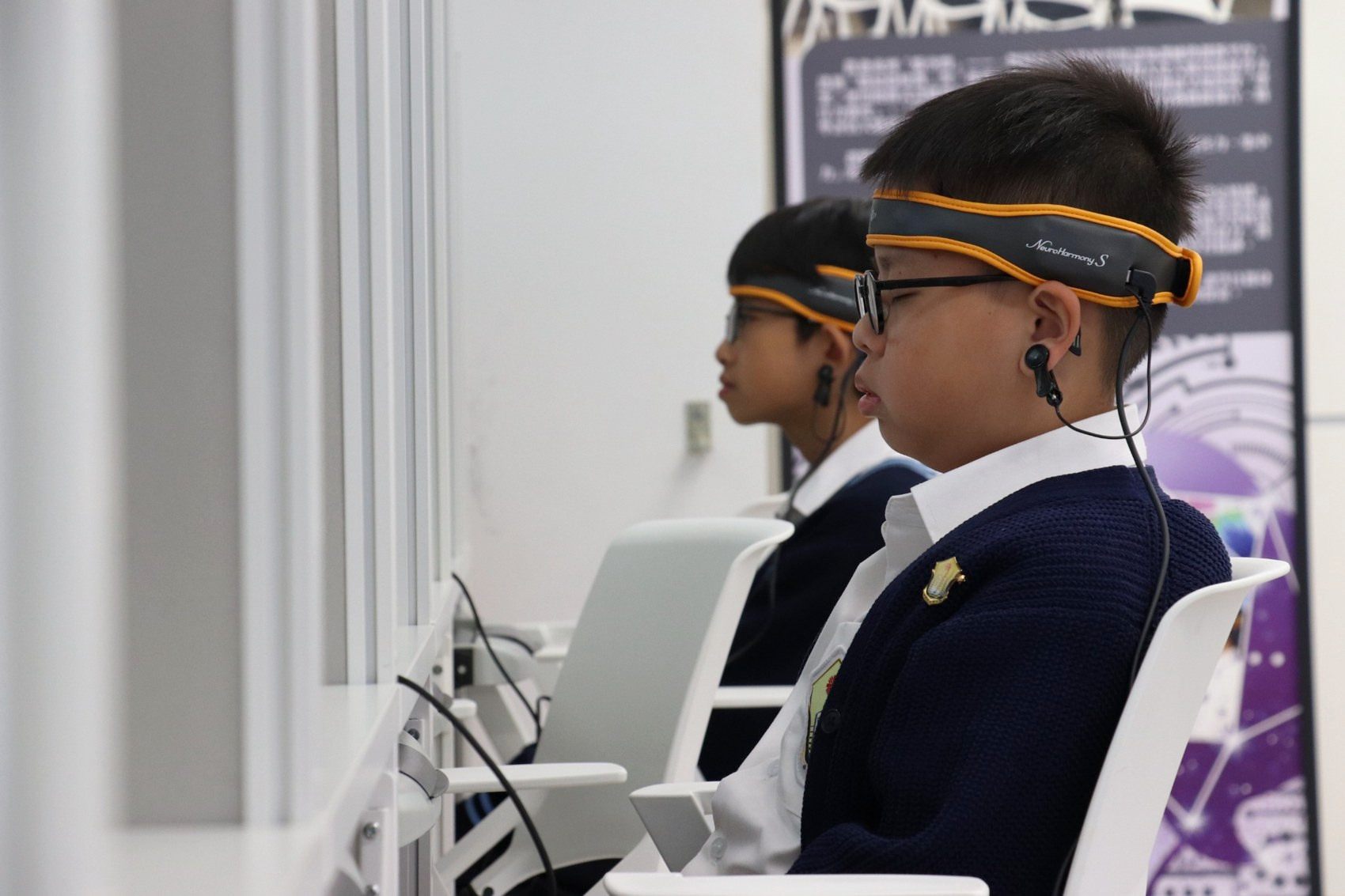
Student taking part in neurofeedback trainingStudents receiving training at dedicated workstations
01 · Brain Performance Analysis
Brainwave assessment and analysis reports provide information on relevant brainwave indicators to help guide the training plan.
02 · Individualised Training
A neurofeedback training programme is tailored to the assessment findings and each participant’s needs.
03 · Assessment and Feedback
Specialists provide detailed reports to parents before and after training to help explain the process and any observed changes.
At least 3 sessionsNeurofeedback training per week
3 monthsProgramme duration
Before and afterDetailed reports for parents
Student Case Studies · Before and After Training
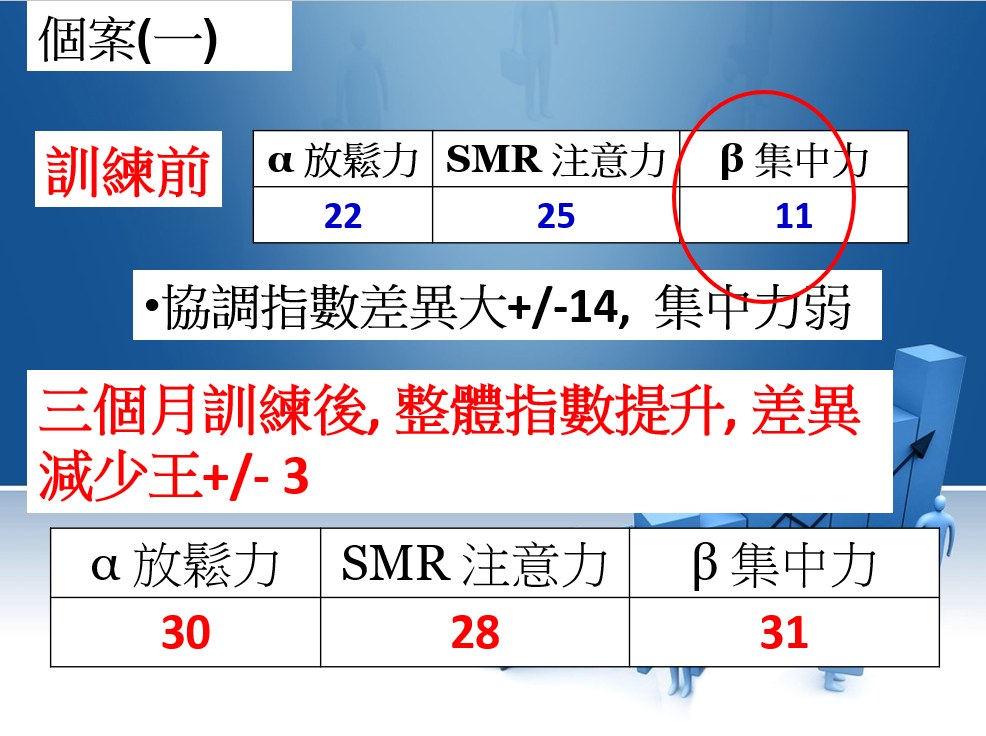
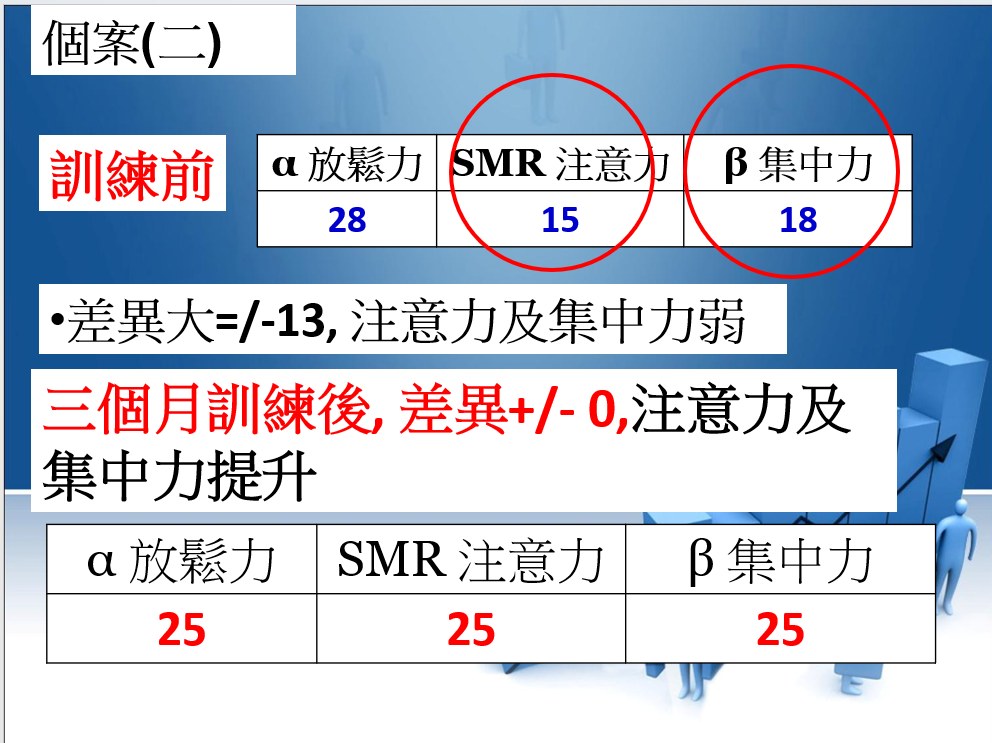
The following figures are taken from two student case studies provided by the school and compare selected indicators before and after three months of training. These are individual examples; they do not indicate that all participants will achieve similar results.
Case Study 1
Changes in Relaxation, Attention and Concentration Indicators
Indicator
Before training
After 3 months
Change
Alpha (α) · Relaxation
22
30
+8
SMR · Attention
25
28
+3
Beta (β) · Concentration
11
31
+20
In the source document, the range across the three indicators decreased from 14 before training to 3 afterwards.
View the original case-study graphic from the Word document
Case Study 2
Changes in Attention and Concentration Indicators
Indicator
Before training
After 3 months
Change
Alpha (α) · Relaxation
28
25
−3
SMR · Attention
15
25
+10
Beta (β) · Concentration
18
25
+7
In the source document, the range across the three indicators decreased from 13 before training to 0 afterwards.
View the original case-study graphic from the Word document
How Brain Performance Analysis Reports Are Used
Teachers
Learn about students’ brainwave characteristics and identify potential support needs at an early stage.
Provide appropriate support for students.
Consider the report findings when selecting appropriate brain-based teaching strategies.
Parents
Review their child’s brainwave analysis report to better understand individual characteristics and support communication at home.
Consider specialists’ recommendations when making appropriate adjustments to daily diet and activities to support their child’s development.
Connecting School and Home Through Assessment Findings
Teachers can consider the findings alongside students’ actual classroom learning when planning support. With guidance from specialists, parents can gain a better understanding of their child’s needs and ways to provide support at home.