Brain-Based
Teaching Strategies
A safe learning environment, appropriate learning states, peer interaction, active participation and deeper thinking.
Three-Dimensional Teaching × Brain-Based Learning Engagement · Understanding · Thinking
Effective teaching is not simply about what teachers deliver, but about what students actually learn. Through Three-Dimensional Teaching and Brain-Based Learning, we foster every student’s participation, understanding, thinking and growth.
Explore Our Teaching Philosophy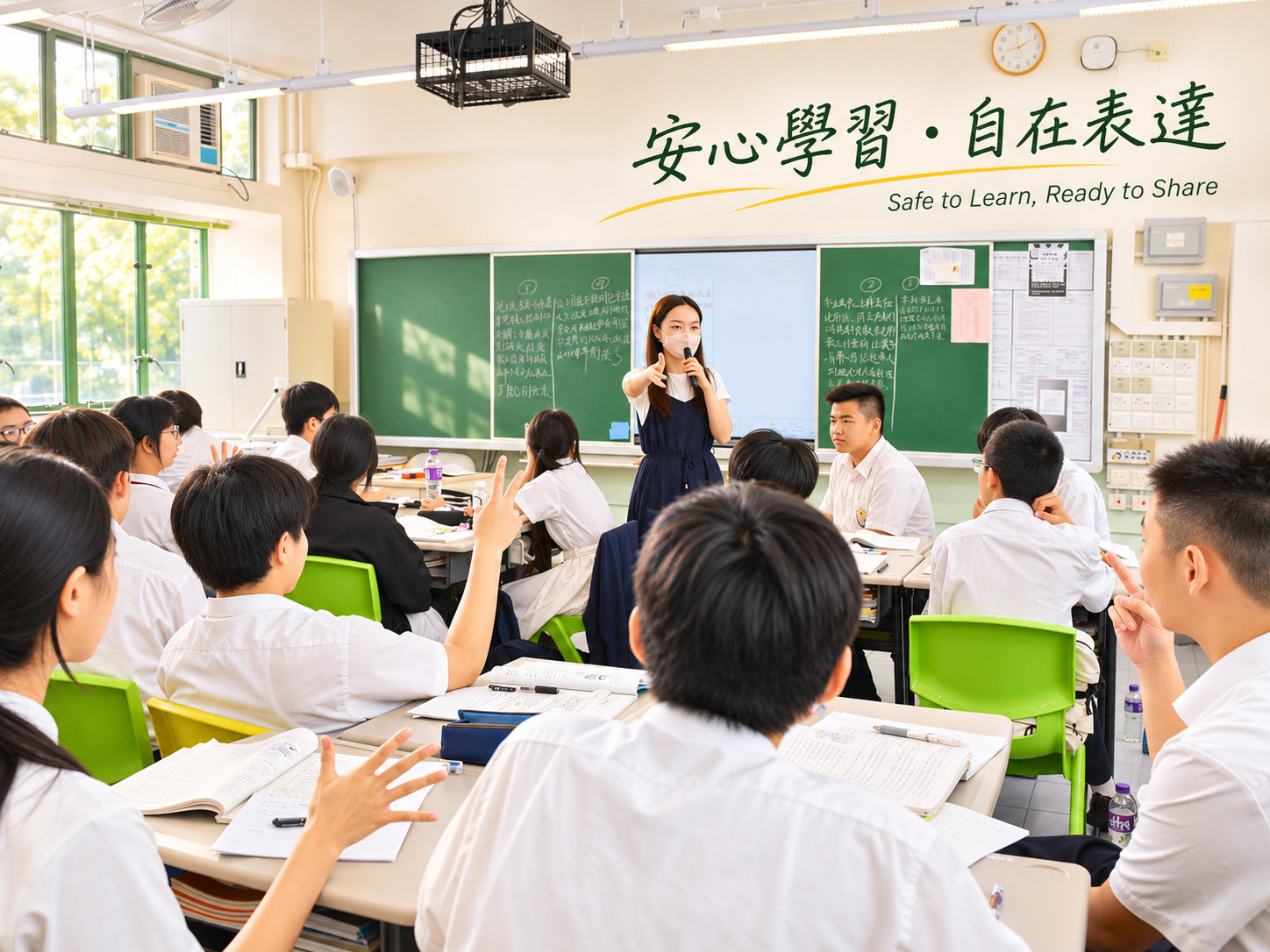
We use a range of teaching strategies to sustain students’ engagement. Learning tasks are suitably challenging for different abilities, while carefully sequenced questions and activities encourage deeper thinking.
Paired discussion, whole-class responses and collaborative tasks give students of different abilities opportunities to participate, express their ideas and think critically.
Students can express viewpoints, explain their reasoning and improve their answers using feedback from peers and teachers.
Drawing on our educational vision, knowledge and skills, and a shared school culture, we identify learning needs through classroom observation, student feedback and brainwave-related activities. We support students through teaching strategies, brainwave observation and training, and healthy living.
Educational Vision · Knowledge and Skills · Shared Culture
A safe learning environment, appropriate learning states, peer interaction, active participation and deeper thinking.
Activities and observations help students explore attention and learning states and practise suitable self-regulation strategies.
Attention to sleep, nutrition, physical activity, breathing exercises and emotional management supports whole-person development.
We promote engagement, understanding and thinking, while using learning tasks, responses and student work to assess progress.
These three areas reinforce one another. The effectiveness of classroom learning is assessed through student responses, work, assignments and performance.
Core and extension learning are supported by tasks before, during and after lessons. Activities are sequenced to reflect the difficulty and depth of the content.
Our teachers flexibly select strategies to suit each lesson. Browse by theme and expand a strategy to see how it can be used in the classroom.
Students think independently, exchange ideas with a partner and then share with the class. Explaining their reasoning, comparing answers and revising ideas makes discussion purposeful.
Teachers monitor engagement and learning states, adjusting the pace or format of activities when needed to help students refocus.
Students respond immediately through gestures, standing or other simple movements. Follow-up questions help teachers check their understanding.
Clear, predictable routines—such as lesson recaps and consistent response methods—help students settle into learning.
Every student has time to think and respond; teachers use their answers and explanations to identify common misconceptions.
Standing, movement and role-play can vary the pace of lessons. Teachers still assess learning through task outcomes and students’ explanations.
Structured group work encourages mutual support, turn-taking and joint problem-solving while valuing both individual contributions and group outcomes.
A respectful, inclusive atmosphere makes students feel safe to ask questions, share ideas, experiment and learn from mistakes.
The school includes wellbeing and self-regulation within its BBL approach. Alternating active and calm tasks, appropriate movement and relaxation exercises help address students’ emotions, attention and engagement.
Clear step-by-step instructions and suitable demonstrations help students understand expectations, carry out tasks and check their own work.
Every classroom activity has a learning purpose. From independent thinking and peer discussion to teacher guidance, we value students’ participation and understanding at every stage.
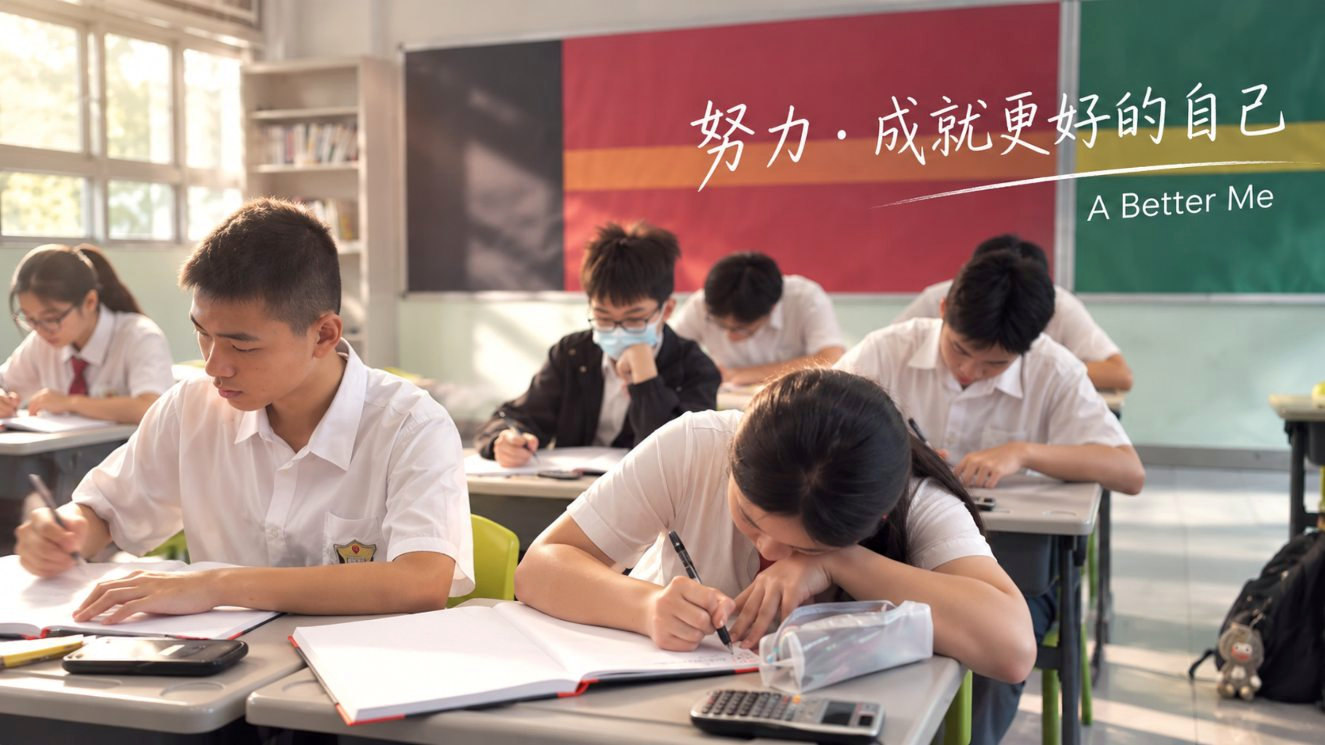
With clear learning objectives, appropriate tasks and feedback, teachers help students understand concepts, organise their thinking and apply what they learn.
We look beyond task completion to what students have actually learnt.
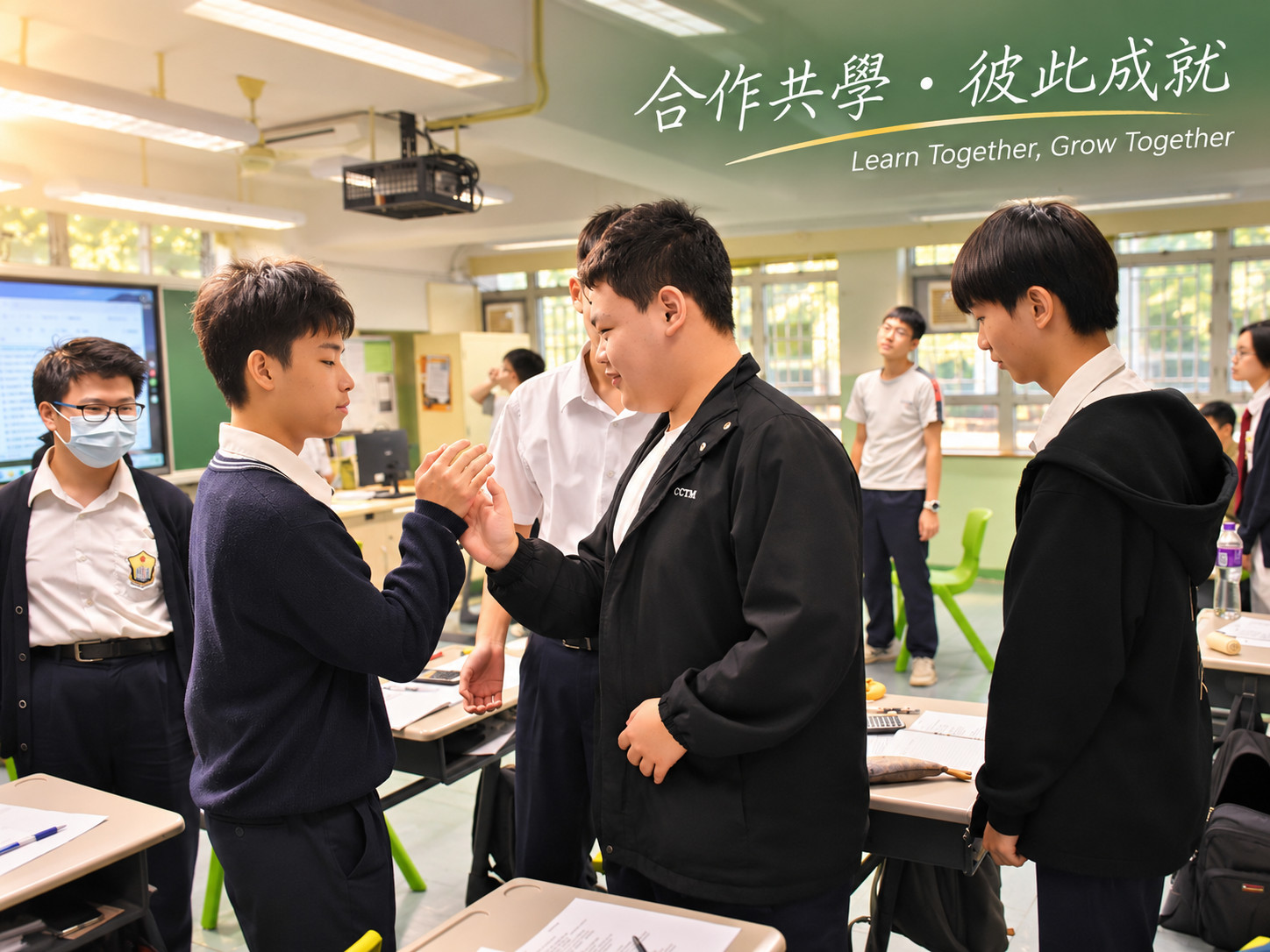
Through paired discussion and cooperative learning, students share ideas, listen to their peers and review their own understanding.
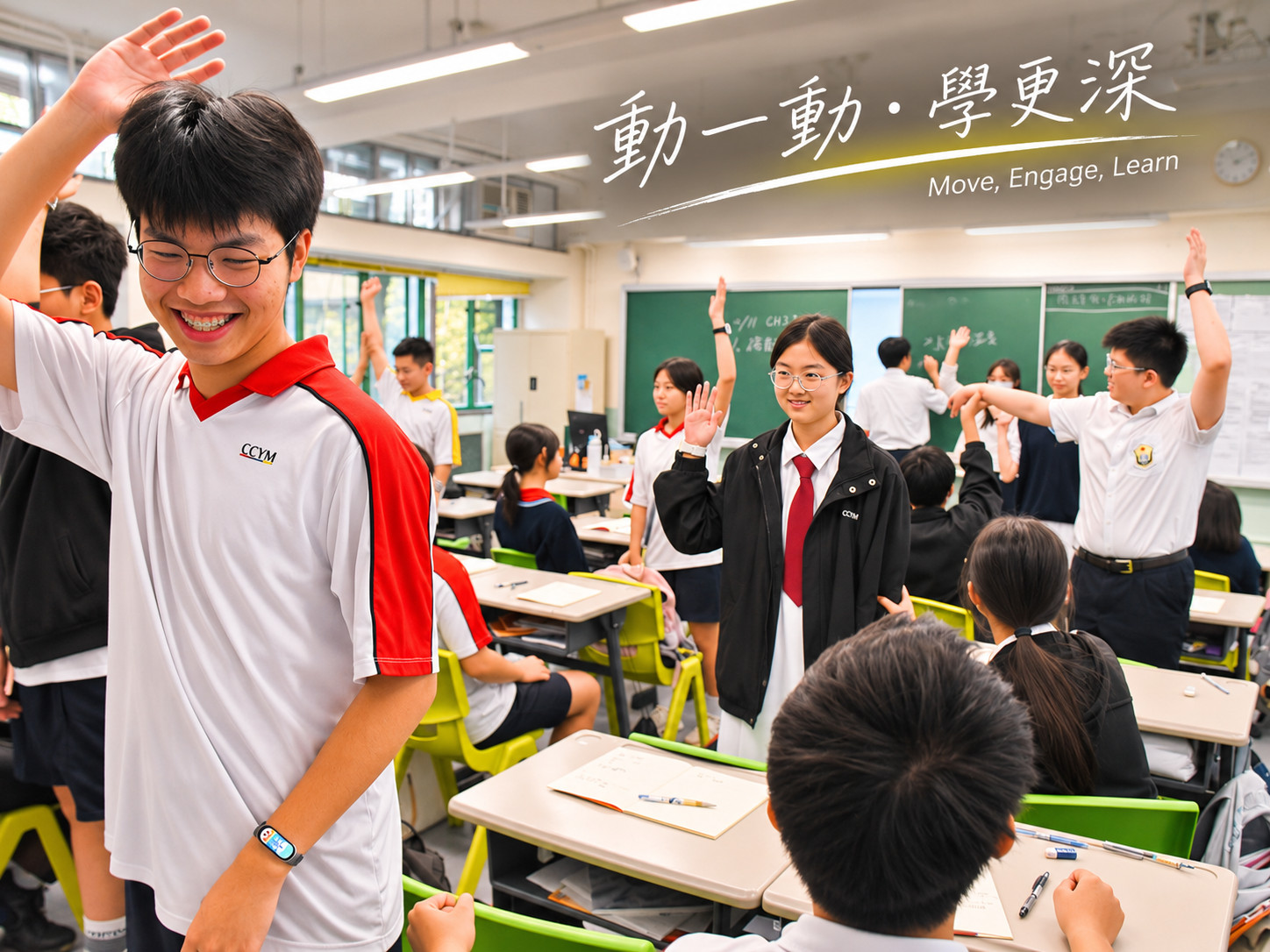
Teachers use physical responses and short activities to encourage participation, sustain engagement and stimulate thinking.
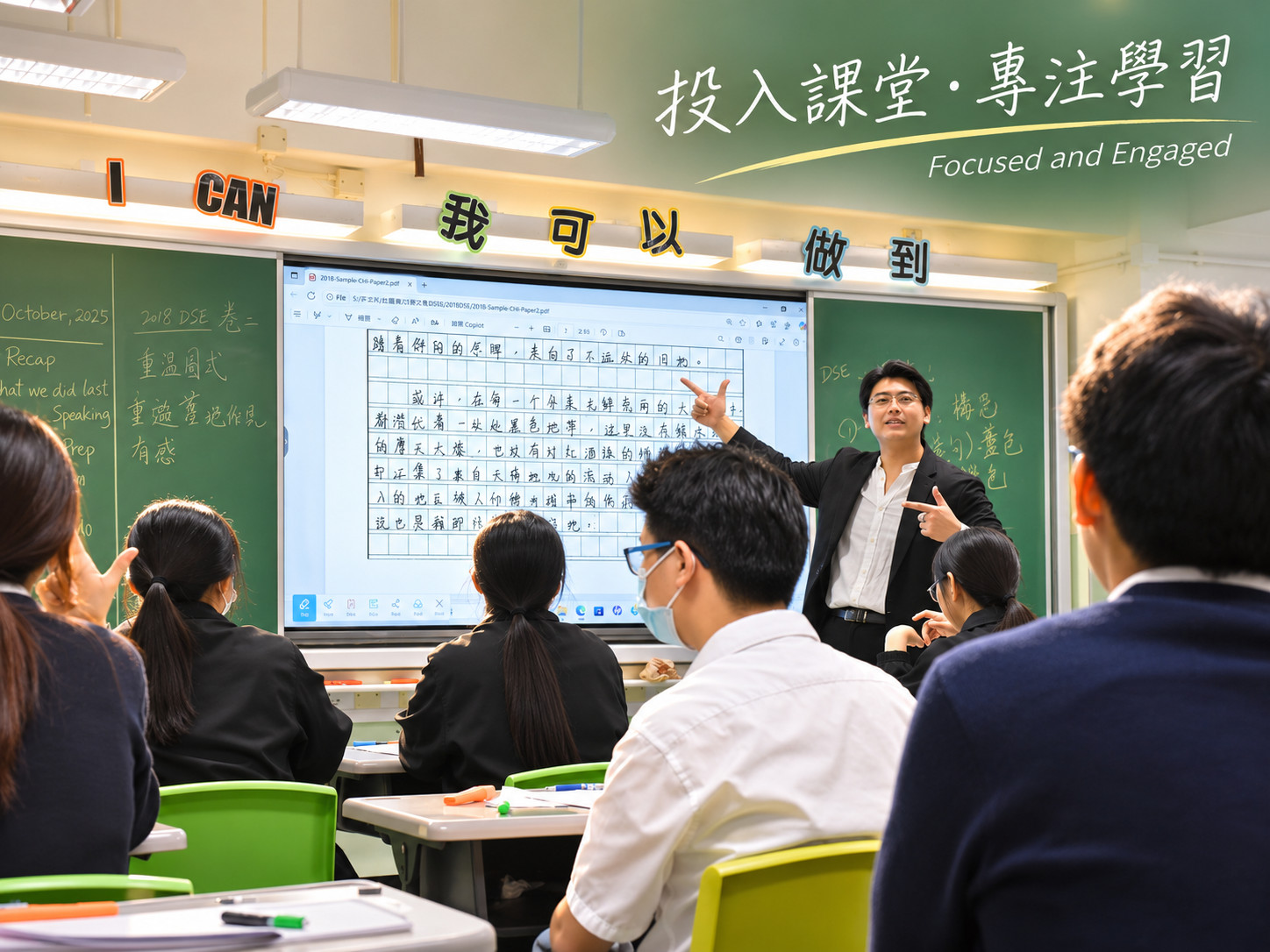
Through questions, observation and feedback, teachers check students’ understanding and adapt explanations and tasks as needed.
The test of a lesson is whether students can understand, explain, apply and improve what they have learnt. Teachers use tasks and assessment feedback to continually review and refine teaching.
Understand students’ needs and set clear learning priorities and appropriate challenges.
Use questions, discussion, inquiry and practice to encourage active thinking.
Use student responses, work and application of knowledge to assess understanding.
Adapt teaching in response to progress, offering support and further challenge.
Students explain concepts in their own words, apply knowledge to solve problems and refine their ideas through feedback. These provide stronger evidence of learning than task completion alone.
Beyond classroom strategies, brainwave-related activities and healthy living education help students understand their own states and develop positive learning habits.
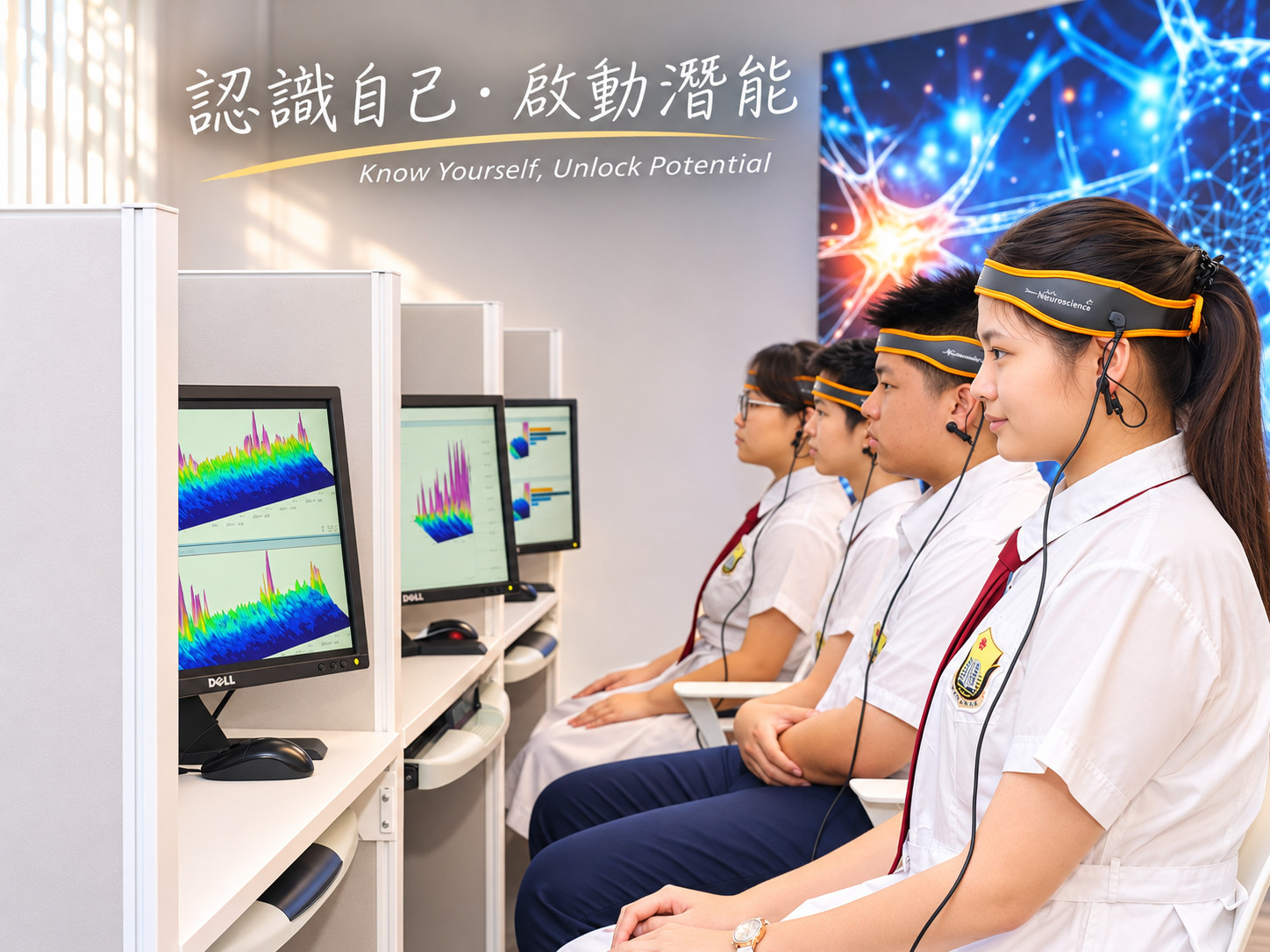
The school has organised activities involving brainwave observation and training to help students explore attention and learning states, build self-awareness and practise appropriate self-regulation.
Our stakeholder survey records students’ average ratings of active learning, confidence in learning and enjoyment of learning over three academic years. All three indicators were higher in 2025–26 than in the previous two years.
Select a legend item to focus on an indicator, or select a data point to see the exact score.
The chart represents students’ feedback on their learning experience. We also review teaching using classroom performance and learning outcomes. The line chart uses a scale of 3.6–4.2 to highlight variation; the bar chart begins at zero.
| Academic Year | Active Learning | Learning Confidence | Enjoyment of Learning |
|---|---|---|---|
| 2023–24 | 3.84 | 3.82 | 3.79 |
| 2024–25 | 3.90 | 3.82 | 3.79 |
| 2025–26 | 4.13 | 4.07 | 4.08 |
Through teacher training, professional exchange and reflective practice, the school continually explores effective teaching strategies and participates in relevant education exchange and recognition activities.

Classroom observation, teaching strategies and reflection are integrated into practice to support teachers’ collective professional growth.

The school continues to develop its Brain-Based Learning practices and has participated in related recognition activities.
We want every student to learn, think and make progress in every lesson.